Guide
How to track calories without burning out
Calorie tracking works when it feels light — not like homework. Here is a calm, habit-first way to log food, hit consistency, and actually keep going.
Updated 2026-08-16By Chris RichardsAll guides
Start with a goal you can live with
Most people quit calorie tracking in the first two weeks because they set a target that fights their life. Before you open an app, decide what success looks like for the next 30 days: consistency, awareness, or a gentle deficit.
A sustainable target beats a aggressive one. If you are new, aim to log meals for 14 days before you change anything. Awareness alone often shifts choices without willpower battles.
- Pick one primary goal: lose, maintain, or gain
- Estimate maintenance calories first, then adjust by 10–20%
- Treat the first fortnight as data collection, not judgment
Build a logging ritual that takes under two minutes
The best calorie tracker is the one you open after meals without negotiating with yourself. Pair logging with an existing habit — after you put your plate down, after coffee, or before you leave the table.
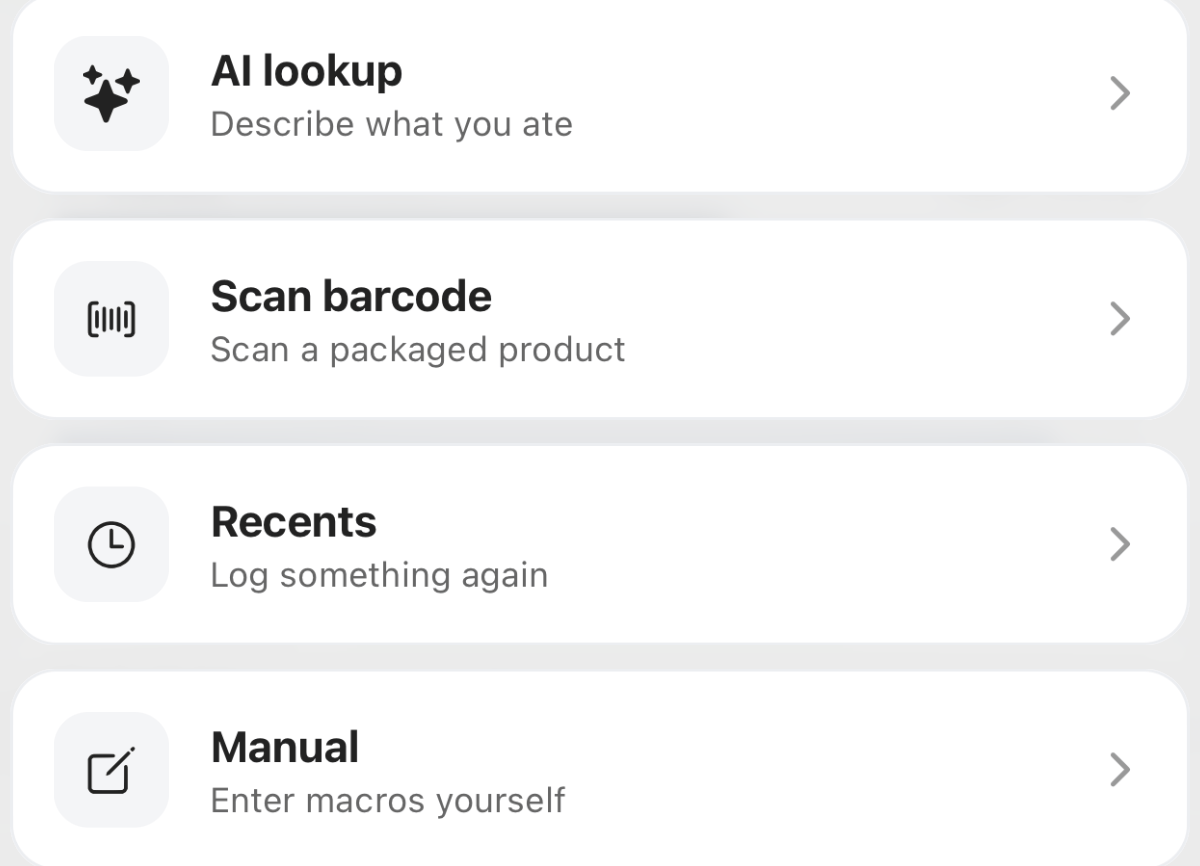
Log in the moment when you can. Recents and saved meals make repeat breakfasts and work lunches nearly automatic. Manual entry should be a fallback, not the default friction.
What to track (and what to ignore at first)
Calories are the headline number. Protein is the second most useful signal for satiety and muscle retention. Carbs and fat can wait until logging feels automatic.
Skip micronutrient perfectionism in week one. Depth is useful later — density kills habits early. A clean daily log beats a perfect unused spreadsheet.
- Always log: calories
- Soon after: protein
- Later: carbs, fat, fiber if you care
Use weigh-ins as trend data, not daily verdicts
Daily weight moves with water, sodium, and sleep. Track weight if it helps you, but judge progress on a 7-day average — not Tuesday morning.
If the scale spikes your stress, log food only for two weeks and reintroduce weigh-ins once the habit feels boring in a good way.
Make progress shareable (optional, but powerful)
Accountability does not have to mean public body talk. Sharing a clean weekly summary sticker with a friend — or just saving it for yourself — turns consistency into something you can see.
Corvex was built for this exact loop: log quickly, see the day clearly, share a progress sticker when a streak or milestone feels worth marking.
FAQ
How do I log food for calorie tracking?
Log at the table, not at bedtime. Use recents for repeat meals, weigh calorie-dense foods (oils, nut butters, cheese), and accept honest estimates for the rest. A complete-enough week beats a perfect day.
Do I need to track every crumb?
No. Aim for honest estimates of full meals and snacks. Occasional rounding is fine. Obsessive gram-precision is what makes people quit.
Should I track on weekends?
Yes if your goal depends on weekly averages. If weekends derail you, keep logging — even imperfect entries beat blank days.
What is the easiest calorie tracker for beginners?
Look for a clean daily dashboard, fast search or recents, and no ads. Corvex is designed for habit-first logging with shareable progress stickers.
Sources
- [1] Burke LE, Wang J, Sevick MA. “Self-monitoring in weight loss: a systematic review of the literature” (2011) — Journal of the American Dietetic Association 111:92–102 (PMID 21185970)
- [2] Hall KD, Sacks G, et al. “Quantification of the effect of energy imbalance on bodyweight” (2011) — The Lancet 378:826–837 (PMID 21872751)
General nutrition information, not medical advice. Calorie and macro targets are estimates — talk to a doctor or a registered dietitian before changing your diet, especially if you are pregnant, managing a health condition, or have a history of disordered eating.
Get the app
Ready for a calorie tracker that feels calm?
Corvex keeps logging simple, beautiful, and shareable — no ads, no spreadsheet vibes.